
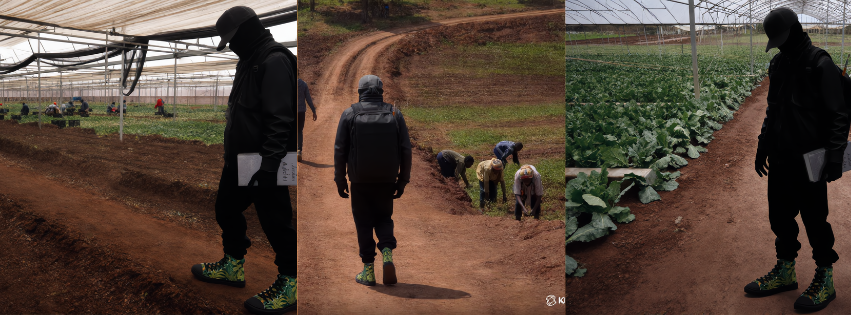
Morocco’s agricultural sector has become deeply intertwined with migration dynamics, particularly through the growing presence of Sub-Saharan migrant workers. In major agricultural regions such as Souss-Massa, Gharb, and other export-driven farming zones, migrants now play a central role in maintaining production systems that supply both domestic markets and international export chains.
Over the past decades, rural Morocco has experienced significant demographic and economic shifts. Many local workers have moved away from agricultural labour, relocating to urban areas in search of more stable income, improved working conditions, and diversified employment opportunities. This rural-to-urban transition has created a structural labour shortage in agriculture, especially in labour-intensive sectors such as fruit and vegetable harvesting, greenhouse production, and seasonal farming.
ALSO READ: Spain Moves Forward With Major Regularization Plan for 500,000 Undocumented Migrants
To address this gap, farmers and agricultural enterprises have increasingly relied on migrant labour. Many of these workers come from Sub-Saharan African countries and are part of broader regional migration routes. While some initially intend to continue toward Europe, a growing number remain in Morocco and become embedded in the agricultural workforce due to economic necessity and shifting migration realities.
Despite their essential contribution, a large portion of these workers remain in undocumented or irregular administrative situations. This lack of legal status limits their access to formal employment contracts, healthcare, social protection, and long-term security. In many cases, their work is informal but critical to the functioning of farms that depend on consistent and flexible labour.
This creates a clear structural contradiction within the agricultural system. On one hand, Morocco’s agricultural economy is expanding, modernising, and increasingly integrated into global export markets. On the other hand, the workforce sustaining this growth often remains outside formal legal and regulatory frameworks. The system depends on their labour, yet does not consistently provide pathways for regularization or full recognition.
ALSO READ: More Than 180 Feared Dead as Mediterranean Death Toll Nears 1,000 in 2026
As a result, migrant workers occupy a highly vulnerable position within the agricultural supply chain. They contribute directly to food production, export competitiveness, and rural economic stability, yet often face insecurity related to wages, working conditions, and legal protection. Their presence highlights the gap between economic demand and migration governance.
At a broader level, this situation reflects global patterns where agricultural systems rely heavily on migrant labour to maintain productivity while policy frameworks struggle to keep pace with labour realities. In Morocco, this dynamic is particularly visible as the country continues to strengthen its position in international agricultural markets.
Ultimately, the reliance on undocumented migrant labour raises important questions about sustainability, equity, and the future of rural development. As agriculture continues to grow, the need for coherent migration policy, labour regulation, and pathways to regularization becomes increasingly urgent in order to align economic dependency with human dignity and rights.
SIGN OUR PETITION TO STOP ILLEGAL PUSHBACKS AT EUROPEAN BORDERS