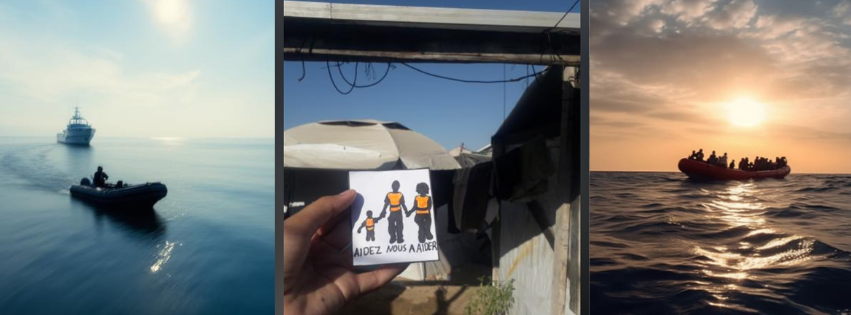
The Mediterranean Sea is once again at the center of a worsening humanitarian crisis, with nearly 1,000 migrants reported dead or missing so far in 2026, according to the United Nations.
Despite a decline in the number of people attempting the crossing compared to previous years, the death toll continues to rise. Aid agencies warn that the journey has become more dangerous than ever, with fewer crossings but significantly higher risks per voyage.
Recent tragedies have pushed the numbers sharply upward. In just ten days, more than 180 people are believed to have died in multiple shipwrecks along the Central Mediterranean route, the most dangerous migration corridor in the world.
Stretching between North Africa and Southern Europe, this route has long been used by migrants fleeing conflict, poverty, instability, and environmental pressures. Many depart from Libya, where migrants often face detention, abuse, and exploitation before even reaching the sea. According to the UN, 2026 is now among the deadliest starts to a year since records began in 2014. The scale of fatalities is particularly alarming given the lower number of attempted crossings, suggesting that conditions at sea and on departure routes have deteriorated significantly.
ALSO READ: EUROPE’S OUTSOURCED BORDERS
Experts say several factors are contributing to the rising death rate. Smuggling networks are reportedly using increasingly unsafe and overcrowded boats, while limited search and rescue capacity leaves many vessels without timely assistance. Weather conditions and longer routes also add to the danger for those attempting the journey.
But behind the statistics lies a consistent reality: most people making the crossing are not choosing between safe options. They are fleeing circumstances they cannot remain in — war, poverty, repression, or lack of opportunity — and often see the sea as their only chance. Humanitarian organizations continue to warn that without safe and legal migration pathways, deaths in the Mediterranean will persist. While enforcement efforts have increased over the years, they have not stopped crossings — they have made them more dangerous.
Each number in the UN’s figures represents a life lost at sea, often without identification or closure for families left behind.
As 2026 continues, the Mediterranean remains a stark reminder of a global migration system under strain — where desperation meets danger, and where the cost is measured in lives.
SIGN OUR PETITION TO STOP ILLEGAL PUSHBACKS AT EUROPEAN BORDERS